Choosing the right entry door is one of the most important decisions when building or renovating a home. In Auckland, where weather conditions can shift quickly and architectural styles vary widely, your entry door needs to do far more than just look good. It must provide security, insulation, durability, and a strong first impression.
Whether you are upgrading your existing home or planning a new build, understanding the key features of modern entry doors will help you make a smarter, long-lasting investment. This guide explores everything you need to consider when selecting entry doors NZ, ensuring your home performs well in both style and function.
1. Material Selection: The Foundation of Performance
The first and most critical decision is the material of your entry door. In Auckland homes, the most common options include timber, steel, composite, and aluminium.
Aluminium has become increasingly popular due to its strength, low maintenance, and resistance to weather conditions. Unlike timber, it does not warp, swell, or rot, making it especially suitable for coastal and high-moisture environments.
Timber doors, while visually appealing, require regular maintenance to withstand NZ’s changing climate. Steel doors offer strong security but may lack design flexibility compared to modern systems.
For homeowners looking for a balance of durability, aesthetics, and minimal upkeep, aluminium remains one of the most practical choices for entry doors NZ.
2. Weather Resistance and NZ Climate Suitability
Auckland’s climate can be unpredictable, with heavy rain, strong UV exposure, coastal salt air, and temperature fluctuations. Because of this, entry doors must be designed to withstand harsh environmental conditions.
A high-quality entry door should include:
- Weather-tight sealing systems
- UV-resistant coatings
- Corrosion-resistant materials
- Proper drainage and threshold design
Aluminium systems perform particularly well in coastal areas because they resist rust and corrosion. This makes them ideal for homes in Auckland, Wellington, and other coastal regions.
Poorly designed doors often lead to drafts, water leaks, and energy loss. That’s why climate compatibility is one of the most important features to evaluate before installation.
3. Thermal Efficiency and Energy Performance
Energy efficiency is now a key consideration for modern Auckland homes. Entry doors play a significant role in regulating indoor temperature and reducing heating costs.
Look for doors with:
- Thermal breaks in aluminium frames
- Double or triple glazing options
- Insulated cores
- High-performance sealing systems
A thermally efficient entry door helps maintain warmth during winter and keeps your home cooler in summer. This reduces reliance on heating systems and improves overall comfort.
With rising energy costs, investing in an energy-efficient door is not just about comfort—it is also a long-term financial decision.
4. Security Features for Peace of Mind
Your entry door is the main access point to your home, making security a top priority. Modern door systems now come with advanced locking mechanisms and reinforced structures.
Important security features include:
- Multi-point locking systems
- Reinforced aluminium or steel frames
- Toughened or laminated glass panels
- Anti-tamper hinges and hardware
These features significantly improve protection against forced entry. In addition, high-quality hardware ensures long-term durability and smoother operation.
For families, security is often the deciding factor when choosing between different entry doors NZ options.
5. Design and Architectural Compatibility
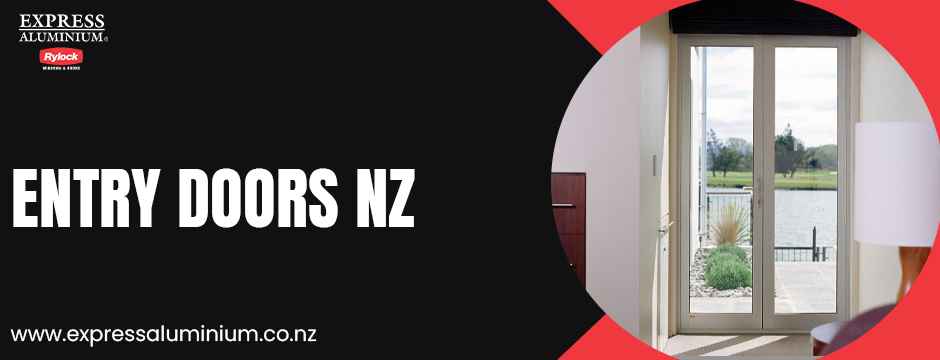
Entry doors are not just functional—they are a major design feature of your home. The right door enhances street appeal and sets the tone for your entire property.
Auckland homes range from modern minimalist builds to traditional villas and coastal properties. Your entry door should complement this architectural style.
Popular design considerations include:
- Clean, minimalist lines for modern homes
- Decorative glass panels for natural light
- Bold colours for a statement entrance
- Timber-look finishes for warmth and character
The key is to balance aesthetics with performance. A well-designed entry door enhances both property value and visual appeal.
6. Glass Options and Natural Light Integration
Many modern entry doors now include glass panels to increase natural light and create a more open feel. However, the type of glass used is just as important as the design.
Options include:
- Frosted glass for privacy
- Clear glass for maximum light
- Tinted or UV-protected glass
- Decorative patterned glass
Double glazing is often recommended for improved insulation and noise reduction. When properly designed, glass elements can enhance both aesthetics and functionality without compromising privacy or security.
7. Hardware Quality and Long-Term Durability
Door hardware is often overlooked, but it plays a crucial role in performance and longevity. Handles, hinges, locks, and tracks must be designed for frequent use and exposure to weather conditions.
High-quality hardware ensures:
- Smooth daily operation
- Reduced maintenance
- Better security performance
- Longer lifespan of the door system
Cheap or poorly installed hardware can lead to alignment issues, sticking doors, or early wear and tear. Investing in premium components ensures long-term reliability.
8. Ventilation and Indoor Airflow
Good airflow is essential for maintaining a healthy indoor environment. While entry doors are not typically used for ventilation like windows, certain designs can support better airflow when needed.
Some modern systems integrate:
- Opening side panels
- Adjustable ventilation features
- Compatibility with airflow systems in connected spaces
This is especially useful in homes that prioritise natural ventilation alongside modern insulation.
9. Integration with Other Door Systems
In modern home design, entry doors are often considered alongside other access systems such as sliding doors and outdoor openings.
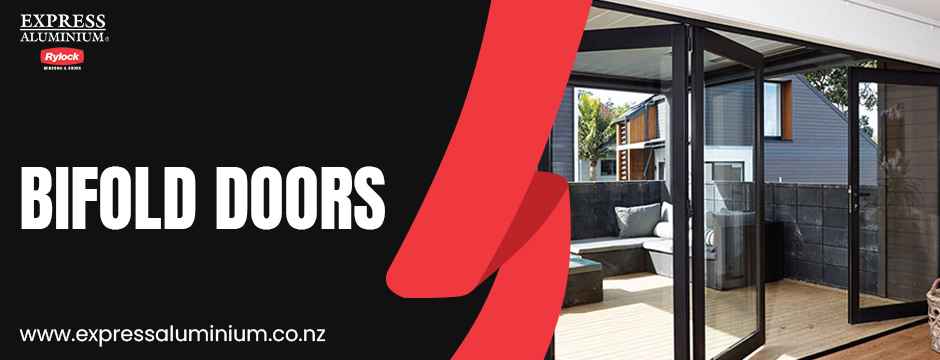
For example, large living areas often connect to outdoor spaces using systems like bifold doors, creating a seamless transition between indoors and outdoors. When your entry door complements these systems, the entire home feels more unified in both design and function.
10. Maintenance Requirements Over Time
Maintenance is an important long-term consideration. Some door materials require regular painting, sealing, or treatment, while others are designed for minimal upkeep.
Aluminium entry doors generally require only occasional cleaning and hardware checks. Timber doors, on the other hand, may require refinishing to maintain appearance and performance.
Understanding maintenance requirements helps homeowners choose a solution that fits their lifestyle and long-term expectations.
11. Installation Quality and Professional Expertise
Even the best door will underperform if it is not installed correctly. Professional installation ensures proper alignment, sealing, and structural performance.
Incorrect installation can lead to:
- Air leaks
- Water ingress
- Poor locking performance
- Reduced lifespan of the door
Always ensure your installer understands Auckland building standards and weather-tightness requirements.
12. Compliance with Auckland Building Standards
All entry doors must comply with Auckland building regulations, especially regarding thermal efficiency, safety, and weather resistance.
Compliance ensures:
- Structural safety
- Energy efficiency standards
- Long-term durability
- Legal building approval
This is particularly important for new builds and large renovation projects.
About Express Aluminium
At Express Aluminium, we understand how important it is to choose the right entry door for your home. We work closely with homeowners, builders, and architects to deliver high-quality aluminium joinery solutions tailored to Auckland conditions.
We take pride in offering guidance throughout the entire process—from design and specification to manufacturing and installation. Our team focuses on delivering solutions that improve comfort, security, and energy efficiency while enhancing the overall look of your home. With our expertise, we help make choosing entry systems simple, practical, and stress-free for every project we work on.
Conclusion
Selecting the right entry door is a decision that impacts your home’s security, energy efficiency, comfort, and overall appearance. In Auckland’s diverse climate, it is essential to choose a door that can withstand environmental challenges while complementing your home’s design.
From material selection and thermal performance to security features and installation quality, every detail matters. Investing time in understanding these features ensures your entry door performs well for years to come.
When chosen carefully, the right entry doors NZ solution becomes more than just an entrance—it becomes a defining feature of your home, enhancing both lifestyle and property value.
Frequently Asked Questions
1. What is the best material for entry doors in Auckland homes?
Aluminium is one of the most popular choices for entry doors nz because it offers excellent durability, low maintenance, and strong resistance to Auckland’s coastal and changing weather conditions. Timber is also used for its natural look, but it generally requires more upkeep over time.
2. Are aluminium entry doors energy efficient?
Yes, modern aluminium entry doors are highly energy efficient, especially when they include thermal breaks and double glazing. These features help reduce heat loss in winter and keep interiors cooler in summer, improving overall comfort and reducing energy costs.
3. How secure are modern entry doors in NZ?
High-quality entry doors are designed with advanced security features such as multi-point locking systems, reinforced frames, and toughened glass options. These features significantly improve home security and make forced entry much more difficult.
4. Can entry doors be customised to match my home design?
Yes, entry doors can be fully customised in terms of colour, finish, glass design, and configuration. This allows homeowners to match their door with the overall architectural style of their home, whether modern, classic, or coastal.
5. How often do entry doors need maintenance?
Maintenance depends on the material. Aluminium entry doors require very little upkeep—usually just occasional cleaning and basic hardware checks. Timber doors typically need more regular maintenance, such as sealing or repainting, to maintain their condition over time.