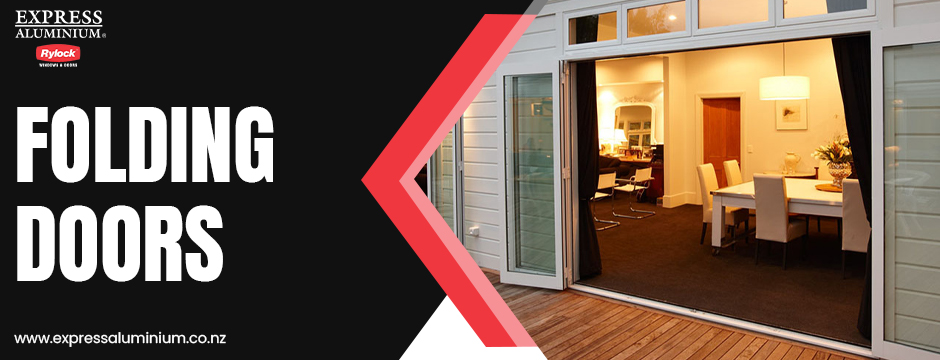
Designing a home or commercial space today goes far beyond aesthetics. Every element must serve a purpose. Natural light, airflow, and energy performance now sit at the centre of good design decisions. Among the most effective ways to improve all three is the smart use of folding doors.
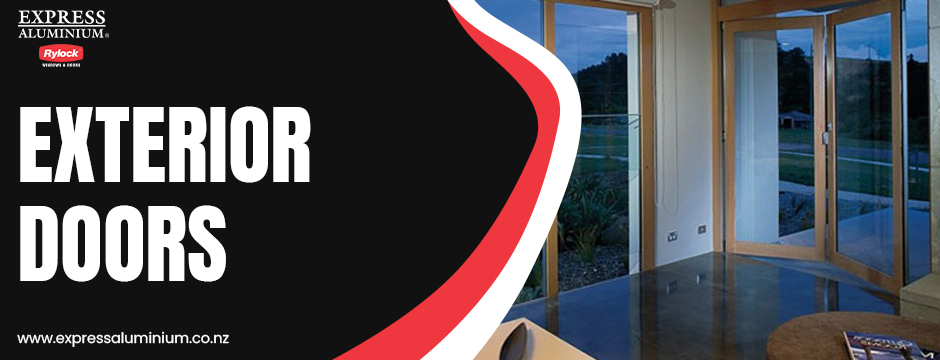
Often considered purely as stylish exterior doors, folding systems offer far more than visual appeal. When chosen and installed correctly, they reshape how a space feels, functions, and performs throughout the year.
This guide breaks down how folding doors directly influence natural light, ventilation, and energy efficiency, and why they have become a preferred choice for modern builds and renovations.
The Role of Natural Light in Everyday Living
Natural light is not just a design feature. It affects how a space is experienced on a daily basis. Rooms filled with daylight feel larger, cleaner, and more comfortable. They reduce reliance on artificial lighting and create a stronger connection to the outdoors.
Traditional doors and standard window layouts limit how much light enters a space. Solid walls and smaller openings restrict daylight to specific points. Folding doors change that completely.
Expanding the Opening
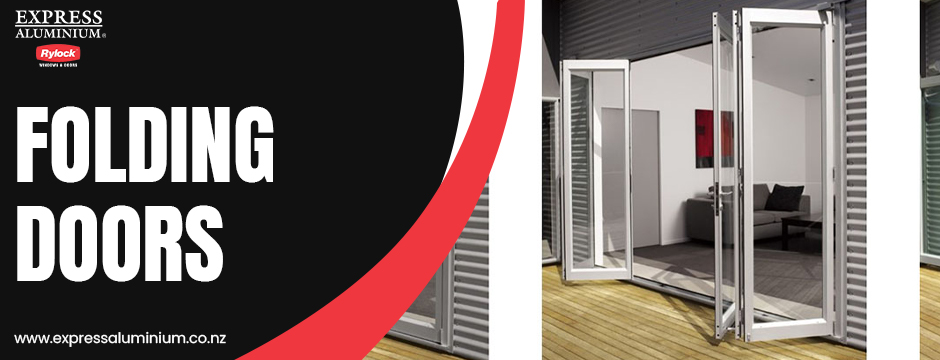
Folding doors replace large sections of wall with glass panels. When closed, they still allow light to pass through due to their full-height glazing. When open, they remove the barrier entirely.
This creates a wider entry point for sunlight compared to conventional exterior doors. Instead of light entering through a narrow frame, it spreads evenly across the room.
Better Light Distribution
Because folding doors often span a greater width, they improve how light travels within the space. Instead of bright spots near windows and darker corners further away, light becomes more balanced.
This reduces the need for additional lighting during the day and improves the usability of the entire room.
Enhancing Visual Space
Light and space work together. A brighter room naturally feels larger. Folding doors support this by removing visual barriers. The eye travels beyond the interior to the outdoor area, creating a sense of openness.
For homes with limited floor area, this visual expansion can make a noticeable difference.
Ventilation That Works With Your Lifestyle
Airflow is often overlooked until it becomes a problem. Poor ventilation leads to stuffy interiors, lingering odours, and moisture build-up. Good airflow keeps a space fresh and comfortable without relying heavily on mechanical systems.
Folding doors offer a flexible and effective solution.
Full-Width Opening Capability
Unlike standard exterior doors that open to a fixed width, folding doors can open across the entire span of the frame. This allows maximum airflow when needed.
Whether it is a warm afternoon or a busy indoor gathering, the ability to fully open the space improves air circulation instantly.
Adjustable Ventilation
One of the key advantages of folding doors is control. You do not have to open all panels at once. You can partially open a section to allow a steady breeze while maintaining privacy or security.
This level of control makes it easier to manage indoor comfort throughout the day.
Cross Ventilation Opportunities
Effective ventilation often depends on creating airflow paths. Folding doors work best when paired with openings on the opposite side of the space.
When both sides are open, fresh air enters from one side and exits through the other. This natural movement removes stale air and replaces it with fresh air quickly.
Reducing Indoor Moisture
Ventilation plays a key role in managing moisture. Areas such as kitchens and living spaces benefit from improved airflow. Folding doors help release warm, humid air and prevent condensation build-up on surfaces.
This contributes to a healthier indoor environment and reduces the risk of long-term damage.
Improving Energy Efficiency Through Design
Energy efficiency is no longer optional. It affects comfort, running costs, and long-term property value. While doors are often seen as potential weak points in insulation, modern folding doors are designed to perform efficiently.
Thermal Performance Matters
High-quality folding doors are built with thermally efficient frames and glazing systems. Double glazing is commonly used to reduce heat transfer between the interior and exterior.
This helps keep interiors warmer in cooler conditions and cooler when temperatures rise.
Reducing Heat Loss
Older exterior doors can allow heat to escape through gaps, poor seals, or single glazing. Folding doors designed to meet modern standards include tight seals and precision engineering.
When closed, they create a barrier that limits unwanted heat loss.
Managing Solar Gain
Large glass surfaces allow sunlight to enter, which can help warm a space naturally. This reduces the need for heating during cooler periods.
At the same time, selecting the right glass type helps control excessive heat gain. This balance is important for maintaining comfort without over-reliance on heating or cooling systems.
Lower Energy Consumption
By improving insulation, reducing heat loss, and maximising natural light, folding doors contribute to lower overall energy use.
Less reliance on artificial lighting and climate control systems translates into reduced energy bills and a smaller environmental footprint.
Folding Doors as Functional Exterior Doors
While folding doors offer clear performance benefits, they must still function effectively as exterior doors. This includes security, durability, and ease of use.
Strength and Security
Modern folding door systems are built with robust aluminium frames and secure locking mechanisms. Multi-point locks and reinforced panels provide strong protection without compromising design.
Smooth Operation
Well-designed systems distribute the weight of the panels efficiently. Top-hung configurations are particularly effective, allowing smooth and consistent movement.
This ensures the doors remain easy to operate over time.
Weather Resistance
Exterior doors must handle changing weather conditions. Folding doors are engineered with weather seals and drainage systems to prevent water ingress and maintain performance.
This makes them suitable for long-term use without frequent maintenance issues.
Design Flexibility for Different Spaces
One of the strongest advantages of folding doors is their adaptability. They can be customised to suit different layouts, styles, and functional requirements.
Configurations That Fit Your Needs
Folding doors can be designed with multiple panel configurations. Panels can stack to one side or split in the centre. This flexibility allows you to match the system to the layout of your space.
Integration With Architecture
Whether the design is traditional or modern, folding doors can be tailored to complement the overall look. Frame finishes, glass options, and hardware choices all contribute to a cohesive appearance.
Suitable for Residential and Commercial Use
From living areas to commercial settings, folding doors adapt easily. In residential spaces, they enhance everyday living. In commercial environments, they create open, inviting areas for customers.
Long-Term Value and Practical Benefits
Choosing folding doors is not only about immediate improvements. It is also about long-term value.
Increased Property Appeal
Spaces that feel open, bright, and well-ventilated are more attractive. Folding doors contribute to this by enhancing both functionality and appearance.
Reduced Maintenance
Aluminium folding doors require minimal upkeep. They resist corrosion, maintain their finish, and continue to perform well over time.
Everyday Convenience
The ability to open up a space quickly, control airflow, and enjoy natural light adds to daily comfort. These small improvements make a noticeable difference over time.
Choosing the Right Folding Doors
Not all folding doors deliver the same results. The quality of materials, design, and installation all play a role.
Key Factors to Consider
The type of glazing used will affect insulation and light transmission. Frame construction impacts durability and performance. Hardware quality influences how smoothly the doors operate.
Professional Guidance
Working with specialists helps ensure the right choices are made from the start. From selecting configurations to planning installation, expert input reduces the risk of costly mistakes.
How We Support Better Design at Express Aluminium
At Express Aluminium, we approach every project with a focus on performance and practicality. We understand that folding doors are not just design features. They are essential components that influence how a space functions every day.
We work closely with homeowners, builders, and designers to recommend solutions that improve light, airflow, and energy efficiency. From early planning through to manufacturing and installation, our goal is to make the process straightforward and reliable.
Our folding door systems are designed to meet modern standards while remaining easy to use and maintain. We focus on delivering solutions that work well in real conditions and continue to perform over time.
Conclusion
Folding doors offer more than visual impact. They improve how spaces are lit, ventilated, and maintained throughout the year. By increasing natural light, supporting effective airflow, and enhancing energy efficiency, they contribute to better living and working environments.
When chosen carefully, folding doors act as high-performing exterior doors that combine design and function. They open up spaces, reduce energy use, and create a stronger connection between indoors and outdoors.
For anyone planning a build or renovation, folding doors are a practical investment that delivers both immediate and long-term benefits.
Frequently Asked Questions
1. Are folding doors better than traditional exterior doors for natural light?
Yes, folding doors allow significantly more natural light into a space compared to traditional exterior doors. Their large glass panels and wider openings let daylight spread more evenly, making interiors feel brighter and more open.
2. Do folding doors provide good ventilation in everyday use?
Folding doors offer excellent ventilation because they can open fully or partially depending on your needs. This flexibility allows you to control airflow easily, helping maintain fresh and comfortable indoor conditions.
3. Are folding doors energy efficient?
Modern folding doors are designed with energy efficiency in mind. Features such as double glazing, tight seals, and thermally efficient frames help reduce heat loss and maintain indoor temperatures, lowering energy usage.
4. Are folding doors secure enough for use as exterior doors?
Yes, high-quality folding doors are built with strong aluminium frames and multi-point locking systems. When properly installed, they provide a high level of security comparable to other modern exterior doors.
5. Do folding doors require a lot of maintenance?
Folding doors are generally low maintenance, especially aluminium systems. Regular cleaning of the glass and tracks, along with occasional checks of moving parts, is usually enough to keep them operating smoothly for years.