

Thermal performance has become one of the most important considerations in modern commercial construction. As building owners, developers, architects, and project managers focus on creating comfortable, energy-efficient spaces, the role of commercial aluminium joinery Auckland businesses rely on has evolved significantly.
Windows and doors are no longer viewed solely as architectural features. They are now critical components that influence energy consumption, occupant comfort, building performance, and long-term operational costs.
For commercial projects in Auckland, selecting commercial aluminium joinery Auckland developers and property owners trust can deliver substantial benefits throughout the life of a building. Whether the project involves offices, retail centres, educational facilities, healthcare buildings, apartment developments, or hospitality spaces, the right joinery system plays a key role in achieving better building outcomes.
What Is Thermal Performance?
Thermal performance refers to a building element’s ability to control the transfer of heat between indoor and outdoor environments.
In simple terms, effective thermal performance helps keep buildings warmer during cooler conditions and cooler during warmer periods. This reduces reliance on heating and cooling systems while creating a more comfortable indoor environment.
When it comes to commercial buildings, windows and doors are often among the largest potential sources of heat transfer. Poorly performing joinery can allow significant amounts of heat to escape or enter a building, increasing energy usage and affecting occupant comfort.
High-quality commercial aluminium joinery Auckland businesses choose is designed to minimise these issues through advanced framing systems, glazing technologies, and thermal insulation features.
Why Thermal Performance Matters in Commercial Buildings
Commercial buildings are occupied for long hours and often accommodate large numbers of people. Maintaining comfortable indoor temperatures can place substantial demands on heating, ventilation, and air conditioning systems.
Improved thermal performance helps address these challenges by reducing unwanted heat movement through the building envelope.
The benefits include:
- Lower energy consumption
- Reduced operating costs
- Improved occupant comfort
- Better indoor environmental quality
- Enhanced building performance
- Greater sustainability outcomes
For commercial property owners, these benefits can contribute to long-term value and improved tenant satisfaction.
Understanding Heat Transfer Through Joinery
Heat naturally moves from warmer areas to cooler areas.
In commercial buildings, heat transfer can occur through:
- Window frames
- Door frames
- Glass panels
- Gaps around joinery systems
Traditional aluminium is a highly conductive material. While it offers exceptional strength and durability, it can also transfer heat efficiently if not properly engineered.
This is why modern thermal technologies have become increasingly important in commercial joinery systems.
The Evolution of Aluminium Joinery
Aluminium remains one of the most popular materials for commercial construction because of its strength, versatility, and durability.
It offers several advantages:
- Slim sightlines
- Structural strength
- Corrosion resistance
- Low maintenance
- Design flexibility
- Long service life
However, earlier generations of aluminium joinery often struggled to meet growing expectations for thermal efficiency.
Today, advancements in design and manufacturing have transformed aluminium joinery into a highly effective solution for energy-conscious commercial projects.
The Role of Thermally Broken Aluminium Systems
One of the most significant developments in commercial joinery is the introduction of thermally broken systems.
A thermal break is an insulating barrier placed between the interior and exterior aluminium sections of a frame.
This barrier helps reduce heat transfer through the frame while maintaining the structural benefits of aluminium.
The advantages of thermally broken systems include:
- Improved insulation
- Reduced energy loss
- Better occupant comfort
- Lower condensation risk
- Enhanced building performance
For many commercial projects in Auckland, thermally broken joinery has become an essential consideration during the specification process.
Energy Efficiency and Operating Costs
Energy costs represent a major operational expense for many commercial properties.
Poor thermal performance can lead to increased demand on heating and cooling systems, resulting in higher energy consumption and greater running costs.
By selecting thermally efficient commercial aluminium joinery Auckland developers can help improve the overall energy performance of a building.
Benefits include:
- Reduced heating requirements
- Lower cooling loads
- Improved HVAC efficiency
- Reduced energy bills
Over the lifespan of a commercial building, these savings can become substantial.
Occupant Comfort and Productivity
Comfort is a key factor in commercial building performance.
In office environments, educational facilities, healthcare centres, and retail spaces, indoor comfort directly affects the experience of occupants.
Poorly insulated joinery can create:
- Cold spots near windows
- Excessive solar heat gain
- Temperature fluctuations
- Draughts
High-performing joinery helps maintain more consistent indoor temperatures throughout the building.
For workplaces, improved comfort can contribute to higher employee satisfaction and productivity.
For retail and hospitality environments, it can enhance customer experience and encourage longer visits.
Reducing Condensation Problems
Condensation is a common issue in buildings where there is a significant temperature difference between indoor and outdoor environments.
When warm indoor air comes into contact with colder surfaces, moisture can form.
Excessive condensation can lead to:
- Water damage
- Mould growth
- Interior deterioration
- Reduced occupant comfort
Thermally efficient joinery helps keep internal frame surfaces warmer, reducing the likelihood of condensation forming.
This contributes to a healthier and more comfortable indoor environment.
The Importance of High-Performance Glazing
Thermal performance is not determined by frames alone.
Glass often represents the largest surface area within commercial joinery systems, making glazing selection equally important.
Modern commercial glazing solutions may include:
- Double glazing
- Low-emissivity coatings
- Solar control glass
- Insulated glass units
These technologies help reduce heat transfer while improving energy efficiency.
When combined with thermally broken frames, high-performance glazing creates a comprehensive thermal solution.
Thermal Performance and Building Compliance
Commercial buildings must meet increasingly stringent performance requirements.
Thermal efficiency is now a key consideration during the design and specification process.
Architects, developers, and consultants are placing greater emphasis on selecting products that contribute to compliance and long-term building performance.
High-quality commercial aluminium joinery can support these objectives by delivering measurable thermal benefits while maintaining structural integrity and visual appeal.
Large Glazed Areas Require Better Thermal Design
Modern commercial architecture frequently incorporates large expanses of glass.
This approach maximises natural light, improves visibility, and creates attractive building facades.
However, larger glazed areas can increase heat transfer if thermal performance is not carefully considered.
Advanced aluminium joinery systems help manage these challenges by combining:
- Strong structural framing
- Thermal break technology
- High-performance glazing
- Effective weather sealing
This allows commercial buildings to achieve both visual impact and energy efficiency.
Thermal Performance in Commercial Door Systems
Doors are another important aspect of thermal performance.
Commercial entrances, access points, and outdoor connections can all influence energy efficiency.
Systems such as aluminium french doors Auckland businesses select for hospitality venues, office spaces, and premium developments should provide strong thermal performance alongside durability and security.

Similarly, aluminium sliding doors Auckland commercial projects incorporate should be designed with thermal efficiency in mind, particularly when used in areas with significant glazing or frequent occupancy.
Well-designed commercial door systems help minimise heat transfer while maintaining ease of operation and architectural appeal.
Long-Term Building Value
Thermal performance should be viewed as a long-term investment rather than a short-term expense.
Buildings that perform efficiently often experience:
- Lower operational costs
- Improved tenant satisfaction
- Reduced maintenance concerns
- Stronger asset value
Investors and property owners increasingly recognise the importance of selecting high-quality building components that contribute to overall performance.
Commercial joinery is one of the most influential elements in achieving these outcomes.
Why Early Specification Matters
The best thermal performance results are often achieved when joinery is considered early in the design process.
Early collaboration allows architects, builders, and joinery specialists to evaluate:
- Building orientation
- Glazing requirements
- Ventilation needs
- Energy performance goals
- Occupant comfort expectations
By addressing these factors early, project teams can select systems that align with both design and performance objectives.
This approach can also help avoid costly design changes later in the project.
Choosing the Right Commercial Joinery Partner
Not all joinery suppliers offer the same level of expertise or product capability.
Selecting the right partner is essential for achieving optimal thermal performance.
A quality supplier should provide:
- Technical guidance
- Product expertise
- Design support
- Manufacturing quality
- Professional installation services
Working with experienced specialists helps ensure that thermal performance goals are fully integrated into the final solution.
Why Choose Express Aluminium for Commercial Joinery?
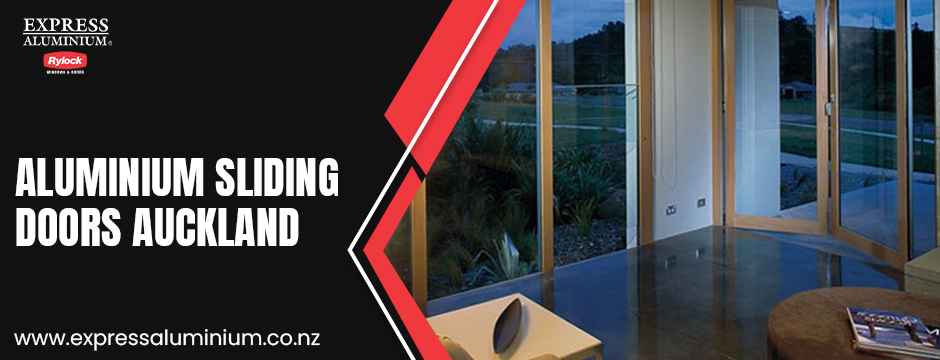
At Express Aluminium, we work with developers, architects, builders, and commercial property owners throughout Auckland to deliver joinery solutions that combine performance, durability, and visual appeal. We understand the growing importance of thermal efficiency in modern commercial buildings and help our clients select systems that support long-term building performance. Our team provides guidance from specification through to manufacturing and installation, ensuring every project receives the attention to detail it deserves. Whether the project includes windows, curtain wall systems, aluminium French doors Auckland developments require, or aluminium sliding doors Auckland businesses incorporate into contemporary designs, we focus on delivering solutions that meet both functional and architectural objectives.
Conclusion
Thermal performance is no longer a secondary consideration in commercial construction. It is a critical factor that influences energy efficiency, occupant comfort, operational costs, and long-term building value.
High-quality commercial aluminium joinery plays an important role in controlling heat transfer, reducing energy consumption, limiting condensation, and supporting comfortable indoor environments.
For commercial projects in Auckland, investing in thermally efficient joinery can deliver measurable benefits throughout the life of the building. By selecting well-designed systems that combine advanced framing technology, high-performance glazing, and professional installation, developers and property owners can achieve stronger building performance while creating spaces that are comfortable, efficient, and built for long-term success.
Frequently Asked Questions
1. Why is thermal performance important in commercial aluminium joinery?
Thermal performance helps reduce heat transfer between the interior and exterior of a building. This can improve occupant comfort, lower energy consumption, and reduce heating and cooling costs in commercial properties.
2. What is a thermally broken aluminium joinery system?
A thermally broken system includes an insulating barrier between the internal and external sections of the aluminium frame. This barrier reduces heat transfer and improves the overall energy efficiency of the building.
3. How does commercial aluminium joinery contribute to energy efficiency?
High-quality commercial aluminium joinery can improve insulation, reduce air leakage, and support the performance of double glazing. These features help maintain more stable indoor temperatures and reduce reliance on HVAC systems.
4. Can thermally efficient joinery help reduce condensation?
Yes. Thermally efficient aluminium joinery helps keep interior frame surfaces warmer, reducing the likelihood of condensation forming on windows and doors. This can help protect interior finishes and improve indoor comfort.
5. What types of commercial buildings benefit from thermally efficient aluminium joinery?
A wide range of buildings can benefit, including offices, retail centres, apartment developments, educational facilities, healthcare buildings, hospitality venues, and mixed-use commercial properties. Improved thermal performance supports comfort, efficiency, and long-term building value across all these sectors.