
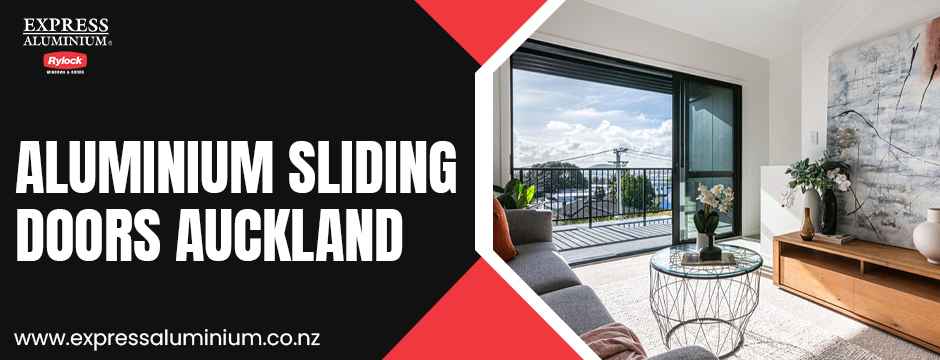
Choosing the right aluminium sliding door is about far more than appearance or budget. In Auckland, wind exposure plays a major role in determining how well a door performs over time. A door that works perfectly in one suburb may not be suitable for another if the wind conditions are significantly different. This is why understanding wind zones is essential before selecting any glazing or joinery system. When investing in aluminium sliding doors Auckland, selecting products that are appropriate for the property’s wind zone is one of the most important decisions in the entire building process.
For homeowners, architects, builders, and developers, wind zone assessments influence everything from frame design and glass specifications to hardware selection and installation methods. Ignoring these factors can lead to operational issues, water ingress, excessive movement, and reduced long term durability.
=
Why Wind Zones Matter in Auckland
Auckland experiences highly varied weather conditions throughout the year. Coastal exposure, elevated sections, open landscapes, and urban environments all experience different wind pressures.
Wind affects a building in several ways:
- Positive and negative air pressure on walls
- Wind driven rain
- Structural movement
- Air infiltration
- Water penetration
- Door operation
- Thermal performance
Modern aluminium sliding doors are engineered to withstand these environmental loads, but only when they are correctly specified for the location.
Simply choosing the largest sliding door available without considering wind performance may create problems that become apparent only after installation.
Understanding Wind Zones
Wind zones classify the expected wind pressures that a building is likely to experience.
In residential construction, properties generally fall into categories such as:
- Low
- Medium
- High
- Very High
- Extra High
The wind zone for a property depends on multiple factors, including:
- Elevation
- Distance from the coastline
- Topography
- Surrounding buildings
- Hills and valleys
- Exposure to prevailing winds
Even within Auckland, neighbouring properties can have completely different wind classifications depending on their site characteristics.
This is why site-specific assessment is essential before specifying any aluminium joinery.
Wind Pressure Directly Influences Door Performance
Sliding doors are large glazed openings. Their performance depends on maintaining rigidity while allowing smooth operation.
High wind pressure places additional stress on:
- Door frames
- Rollers
- Tracks
- Glass panels
- Locks
- Structural fixings
If the system has not been designed for the required wind rating, problems may include:
- Difficult sliding
- Frame deflection
- Water leaks
- Increased air leakage
- Hardware wear
- Glass movement
Selecting products engineered for the site’s wind exposure significantly reduces these risks.
Larger Openings Require Greater Structural Performance
Modern homes increasingly feature expansive openings that connect indoor and outdoor living areas.
Large aluminium sliding doors provide:
- Wider views
- More natural light
- Better ventilation
- Improved access
However, increasing the opening size also increases wind loads acting on the system.
Architects often specify wider spans with fewer vertical frames to maximise views, but achieving this requires carefully engineered framing systems capable of resisting wind pressure without excessive movement.
Professional specification ensures that aesthetics never compromise structural performance.
Frame Strength Matters More Than Many Homeowners Realise
The frame is responsible for transferring wind loads safely into the surrounding structure.
Stronger frame profiles improve:
- Structural rigidity
- Weather resistance
- Glass support
- Operational performance
- Long term durability
Premium aluminium joinery Auckland systems offer multiple frame options depending on project requirements.
Rather than selecting products purely on appearance, experienced suppliers evaluate whether the frame profile is suitable for the property’s wind exposure.
Glass Selection Is Equally Important
Glass plays an important role in resisting wind pressure.
Depending on project requirements, specifications may include:
- Toughened glass
- Laminated glass
- Double glazing
- Performance glazing
Thicker glazing may be required for larger door panels or higher wind zones.
Glass thickness should never be selected based solely on energy efficiency or acoustic performance. Wind loading is an equally important consideration.
Correct glass specification ensures the entire sliding door system performs as intended.
Double Glazing Supports Overall Performance
Many Auckland homeowners choose double glazing to improve comfort throughout the year.
Double glazed sliding doors provide benefits including:
- Improved thermal insulation
- Better acoustic performance
- Reduced condensation
- Increased comfort
When combined with appropriately engineered framing, double glazing contributes to a high performing sliding door system that remains comfortable during changing weather conditions.
Wind Driven Rain Places Extra Demands on Sliding Doors
Rain rarely falls straight down during storms.
Strong winds force water against doors and windows with considerable pressure.
Quality aluminium sliding doors include drainage systems designed to:
- Redirect water
- Prevent internal leaks
- Manage moisture
- Protect surrounding building materials
Higher wind zones often require enhanced drainage performance and more robust weather sealing.
These details may not be visible after installation, but they have a major impact on long term reliability.
Hardware Must Match Environmental Demands
Sliding door performance depends heavily on hardware quality.
Wind exposure increases operational loads on:
- Rollers
- Handles
- Locks
- Guides
- Tracks
Premium hardware maintains smooth operation despite larger panel weights and higher structural loads.
Inferior hardware often wears prematurely under demanding environmental conditions.
Selecting high quality hardware is therefore just as important as choosing the correct frame.
Installation Quality Influences Wind Performance
Even the highest performing sliding door can fail if installation is poor.
Correct installation includes:
- Accurate frame positioning
- Proper structural fixing
- Correct flashing
- Effective waterproofing
- Suitable sealing methods
- Compliance with manufacturer specifications
Small installation errors can significantly reduce weather performance.
Professional installation ensures the tested performance of the product is maintained on site.
Coastal Properties Present Additional Challenges
Many Auckland properties experience greater exposure because of their proximity to the coastline.
These environments introduce additional factors including:
- Stronger prevailing winds
- Salt laden air
- Increased corrosion risk
- Higher moisture exposure
Selecting suitable aluminium joinery systems with durable finishes helps maintain long term performance in these demanding environments.
Hardware selection also becomes increasingly important in coastal locations.
Architectural Homes Often Require Higher Performance Systems
Architectural homes frequently include:
- Floor to ceiling glazing
- Wide openings
- Minimal framing
- Premium finishes
While visually impressive, these features require sophisticated engineering.
Architectural aluminium sliding doors must balance:
- Structural performance
- Wind resistance
- Thermal efficiency
- Smooth operation
- Contemporary aesthetics
Achieving all five objectives requires experienced specification from the earliest design stages.
Sliding Doors Versus Bifold Doors in Wind Exposed Locations
Many homeowners compare sliding doors with aluminium bifold doors Auckland when planning new homes or renovations.
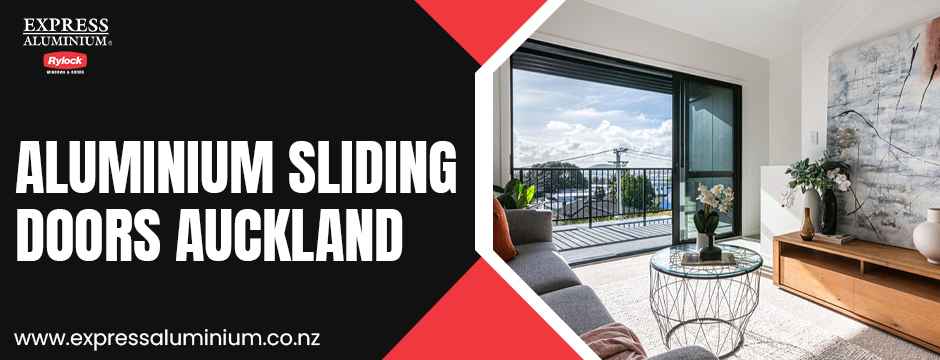
Both systems create excellent connections between indoor and outdoor spaces, but their performance characteristics differ.
Sliding doors generally feature fewer moving components and larger fixed panels, making them well suited to projects where wind performance, durability, and ease of operation are priorities.
Bifold doors offer wider uninterrupted openings when fully opened but involve additional hinges, rollers, and operating hardware that require careful specification in exposed locations.
Choosing between these systems depends on:
- Wind exposure
- Opening size
- Lifestyle requirements
- Architectural design
- Maintenance expectations
An experienced joinery specialist can recommend the most suitable solution after evaluating the site’s environmental conditions.
Early Specification Prevents Costly Changes
One of the most common project mistakes is selecting doors before completing a wind assessment.
Late specification changes can affect:
- Structural framing
- Glass sizes
- Engineering requirements
- Construction timelines
- Project budgets
Early consultation allows the entire building envelope to be designed around the required performance criteria.
This creates a more efficient construction process while reducing unexpected costs.
Compliance Supports Long Term Value
Quality aluminium joinery is designed to comply with New Zealand performance standards for:
- Structural strength
- Weather tightness
- Durability
- Safety
- Thermal performance
Selecting compliant products provides confidence that the doors have been engineered and tested for demanding conditions.
Compliance also contributes to the long term value of the property by reducing maintenance issues and improving occupant comfort.
Why Professional Advice Matters
No two Auckland building sites experience identical environmental conditions.
Factors that appear minor during planning can significantly influence product selection.
Professional consultation considers:
- Site exposure
- Wind zone classification
- Building orientation
- Door dimensions
- Glazing requirements
- Structural integration
- Intended use
This holistic approach ensures every component works together to deliver reliable long term performance.
How We Help Homeowners and Builders Choose the Right Aluminium Joinery
At Express Aluminium, we understand that selecting doors and windows involves much more than choosing a style. We work closely with homeowners, builders, architects, and developers across Auckland to recommend aluminium joinery solutions that suit each project’s environmental conditions, design goals, and performance requirements. From assessing plans and recommending the right aluminium sliding doors Auckland systems to supplying expertly manufactured products and professional installation, our team focuses on delivering durable, compliant, and visually impressive results that perform for years to come.
Conclusion
Wind zones are one of the most important factors influencing aluminium sliding door selection in Auckland. They affect structural performance, glazing specifications, frame design, hardware selection, weather resistance, and long term durability.
Choosing doors based solely on appearance or price can lead to operational issues that become increasingly noticeable over time. By understanding site specific wind conditions and selecting appropriately engineered aluminium joinery, homeowners and construction professionals can achieve better performance, improved comfort, enhanced weather protection, and greater long term value.
Whether planning a renovation, architectural home, commercial project, or new build, selecting the right aluminium sliding door begins with understanding how Auckland’s wind conditions shape every aspect of joinery performance.
Frequently Asked Questions
1. Why are wind zones important when selecting aluminium sliding doors in Auckland?
Wind zones determine the level of wind pressure a sliding door must withstand. Choosing aluminium sliding doors Auckland that are suitable for your property’s wind exposure helps improve weather resistance, structural performance, and long term durability.
2. Can larger aluminium sliding doors be installed in high wind areas?
Yes. Larger sliding doors can be installed in higher wind zones, provided they are engineered with the appropriate frame profiles, glazing, and hardware. A professional assessment ensures the system meets the required performance standards.
3. How does double glazing improve aluminium sliding door performance?
Double glazing enhances thermal insulation, reduces outside noise, minimises condensation, and improves indoor comfort. When combined with high quality aluminium joinery, it also contributes to a more efficient and durable door system.
4. Are aluminium sliding doors a better choice than aluminium bifold doors for windy locations?
Both options perform well when correctly specified. However, aluminium sliding doors generally have fewer moving parts and can offer excellent structural performance in exposed locations. The best choice depends on your property’s wind zone, opening size, and design requirements.
5. Should wind zones be assessed before ordering aluminium joinery?
Absolutely. Assessing the wind zone early in the project helps ensure the selected aluminium joinery Auckland system is suitable for the site’s conditions. This reduces the risk of costly design changes and ensures compliance with New Zealand building requirements.